
Stop Guessing: Social Media Knife Sharpening Decoded
By Sora Tanaka • 17th Jan
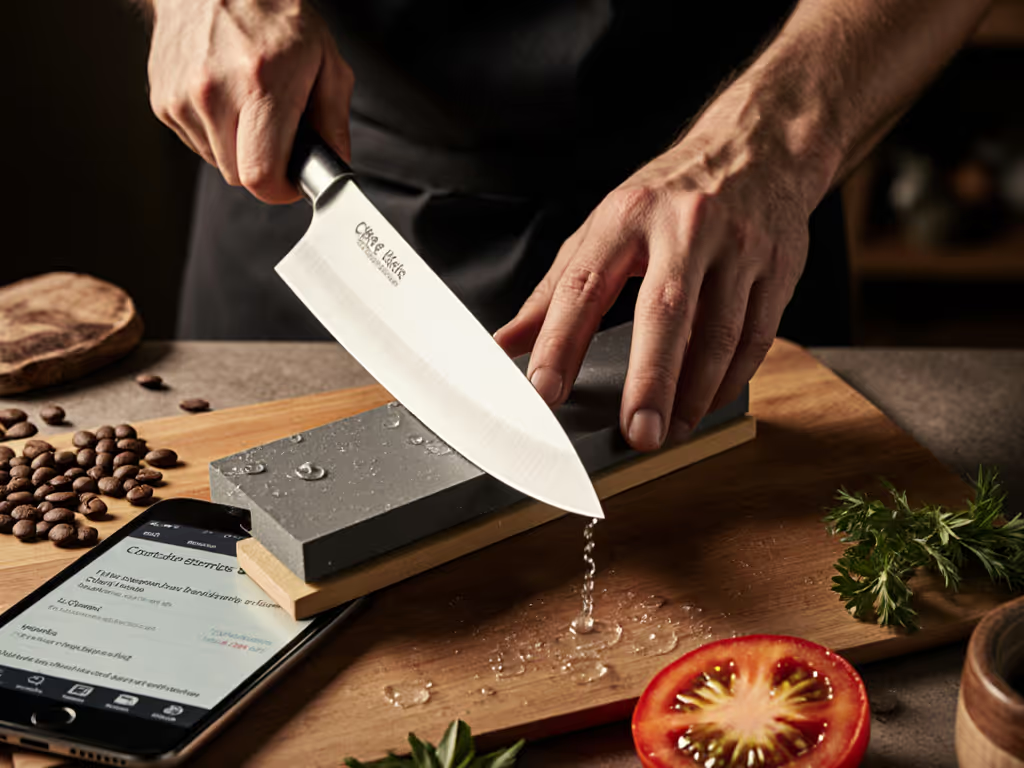
If you've ever scrolled through social media knife sharpening content only to feel more confused than before, you're not alone. The flood of digital sharpening techniques on platforms like TikTok and YouTube promises instant results but often delivers contradictory advice. As someone who's spent years teaching stone sharpening, I've watched this space evolve from niche communities to viral content with both brilliant insights and questionable shortcuts. Let's cut through the noise and find what actually works for your knives.
Why Does Everyone Disagree on Sharpening Techniques?
The "experts" on your feed often represent different philosophies, not just techniques. Some prioritize speed for content appeal, while others genuinely aim to teach craft. What you're seeing is the tension between performance (a quick edge for the camera) and mastery (a durable edge that lasts).
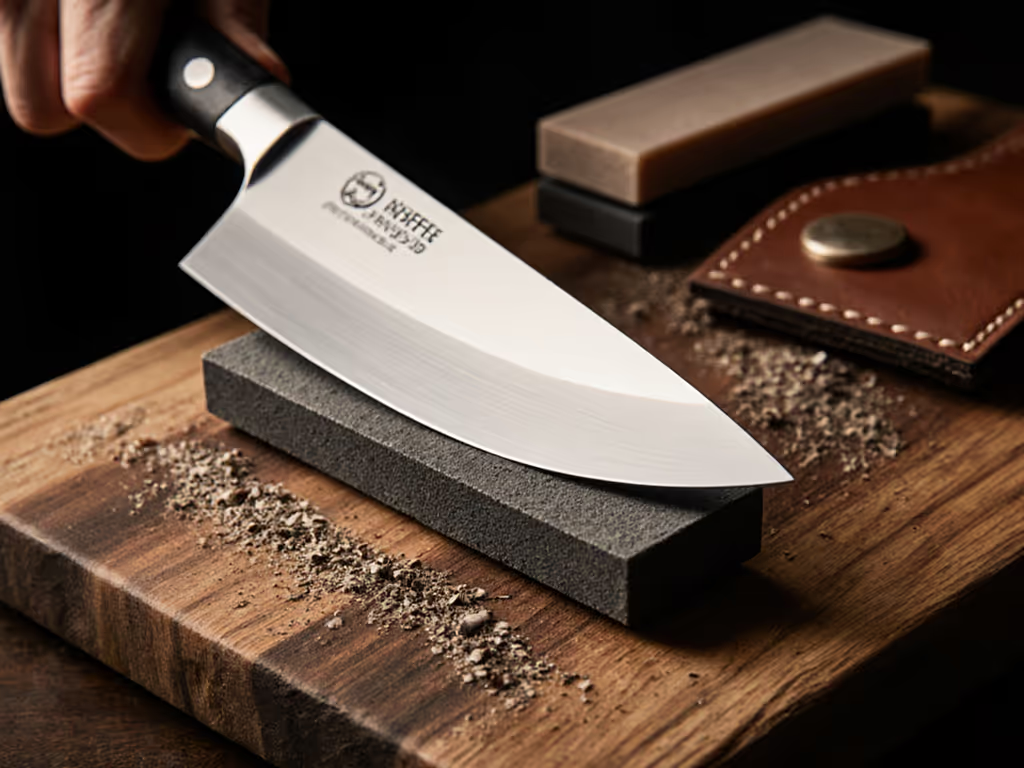
Control the angle, control the outcome (steel tells the truth).
This industry-wide confusion stems from three realities:
- Platform constraints: Sixty-second videos can't show what happens after 50 strokes or how an edge performs cutting tomatoes all week.
- Skill gaps: Creators don't always disclose whether they're sharpening a $20 grocery store knife or a $300 custom blade.
- Missing context: No tutorial shows the creator's full sharpening history (how many times they've redone the bevel before filming).
I remember my Saturday mornings with the retired sushi sharpener. For months, he made me work only on a cheap stainless knife with a single 1k stone. No fancy angles, no "hacks," just chasing that clean burr. When I finally heard the whisper change as the burr formed evenly across the edge, I understood: feedback is the teacher. The stone is honest. To accelerate skill growth, build your tactile sharpening feedback with step-by-step drills.
How Do I Spot a "Fake Sharp" in Videos?
Many viral videos demonstrate a "sharp" knife by slicing paper or tomato, but this tests only the initial bite, not edge durability. Real sharpness means the knife keeps cutting with minimal pressure through multiple tasks. For edges that last, follow a proven grit progression from coarse shaping to fine refinement.
Here's your verification checklist:
- The tomato test: Does it glide through without crushing? A true sharp edge won't bruise the skin.
- The thumbnail test: Gently drag the edge across your thumbnail at 90 degrees. A properly sharpened edge will grip slightly without skipping.
- The light test: Hold the edge to a light source. No visible gaps between the bevels means a continuous apex.
- The consistency check: Does the sharpening result appear identical along the entire edge, or just at the tip?
TikTok sharpening trends often showcase dramatic before-and-after moments but never show the edge failing after three uses. True durability comes from deliberate practice, not dramatic shortcuts.
How Can I Adapt Social Media Tips to My Specific Knives?
Not all steels respond the same. That viral technique using a leather strop with compound might work wonders on a traditional carbon steel but fail completely on modern super steels like M390. The key is understanding what the creator isn't telling you.
Steel-Specific Adjustments
| Knife Steel Type | Digital Technique to Adapt | Your Adjustment |
|---|---|---|
| Carbon Steel (1095, O1) | Aggressive diamond plates | Add frequent burr checks. These steels form burrs quickly. |
| Stainless (440C, VG-10) | Water stone progression | Increase soak time; these steels clog stones faster. |
| Super Steels (S35VN, M390) | "Just use a strop" hacks | Start with 800-1200 grit to establish the apex before finer stones. |
When following YouTube sharpening tutorials, identify what steel they're using. If it's not mentioned, assume it's a mid-range stainless (like 8Cr13MoV) common in budget knives. Your premium steel knives need more deliberate progression and patience. If you're unsure what you're working with, see our knife steel types guide to match technique to material.
What Feedback Cues Should I Trust More Than Video Demos?
Your fingers and eyes provide more reliable information than any creator's polished final result. Building your own feedback loop is essential when navigating online sharpening content.
Critical Sensory Cues to Develop
- Burr formation: Run your fingernail perpendicular along the edge. A consistent burr you can feel means you've reached the apex.
- Stone feedback: Notice when the stone's cutting sound changes from gritty scraping to smoother motion.
- Visual line continuity: Look for a consistent highlight running edge-to-edge when viewing at a grazing angle.
Many sharpening influencers focus on exotic compounds or complicated jigs while skipping these fundamental checkpoints. When someone demonstrates a "one-minute sharpen," ask yourself: did they check for burr removal? Without that verification step, you're creating a rounded edge that fails quickly. For a deeper understanding, learn the science of burr formation to verify the apex with confidence.
How Do I Build Real Skill From Fragmented Content?
The biggest trap of social media knife sharpening is treating each video as a standalone solution. Real progress comes from connecting techniques into a coherent system that matches your specific tools and knives.
Start with this minimalist framework:
- Establish your angle: Mark the edge with a Sharpie, then make 5 strokes per side. Adjust until the marker disappears evenly.
- Create the apex: Continue until you feel a consistent burr along the entire edge.
- Refine the edge: Progress through grits, checking for burr removal at each stage.
- Polish with purpose: On your finest stone, lighten the finishing passes to avoid rounding the apex.
Document your process in a simple notebook (angle used, stones applied, burr formation time). This creates your personal feedback loop that no viral trend can replace. Within weeks, you'll recognize when a tutorial's approach conflicts with your observed results.
What Should I Focus on Instead of Trending Techniques?
Skip the "5-second sharpening hack" videos and seek creators who emphasize measurable progress. Look for these markers of quality content:
- Demonstrates burr checks at multiple stages.
- Shows edge performance after multiple uses.
- Explains why a technique works for specific steels.
- Admits limitations of their method.
- Focuses on consistency over speed.
The most valuable YouTube sharpening tutorials I've seen don't promise miracles. They show the creator fixing their own mistakes and adjusting technique based on feedback. This aligns with what I learned those Saturday mornings: Mastery comes from deliberate practice with clear feedback loops, not perfect first attempts.
Your Next Step Beyond the Feed
Don't let the noise of digital sharpening techniques paralyze your progress. Choose one knife you use daily and commit to sharpening it using a single, verified method for 30 days. Track your results, not just the immediate sharpness but how long the edge lasts.
When you understand what feedback looks like on your specific steel, you'll navigate social media content with discernment (not desperation). You'll recognize which trends have substance and which are just performance for the algorithm.
The most powerful tool isn't in your kit. It is between your ears. Trust the feedback, honor the process, and the edge will follow. The community's collective wisdom is valuable, but your personal experience is sovereign.
Ready to deepen your practice? Seek out online sharpening communities that prioritize discussion of sensory feedback over product hype. Your sharpest days are ahead, not because of a viral trend, but because you've learned to listen to what the steel tells you.
Related Articles