

Sharpening Fundamentals & Techniques
How-to guides and core knowledge for sharpening success, from angles and grit progression to steel types, stropping, and routine maintenance.
Top Articles

Sharpening Fundamentals & Techniques
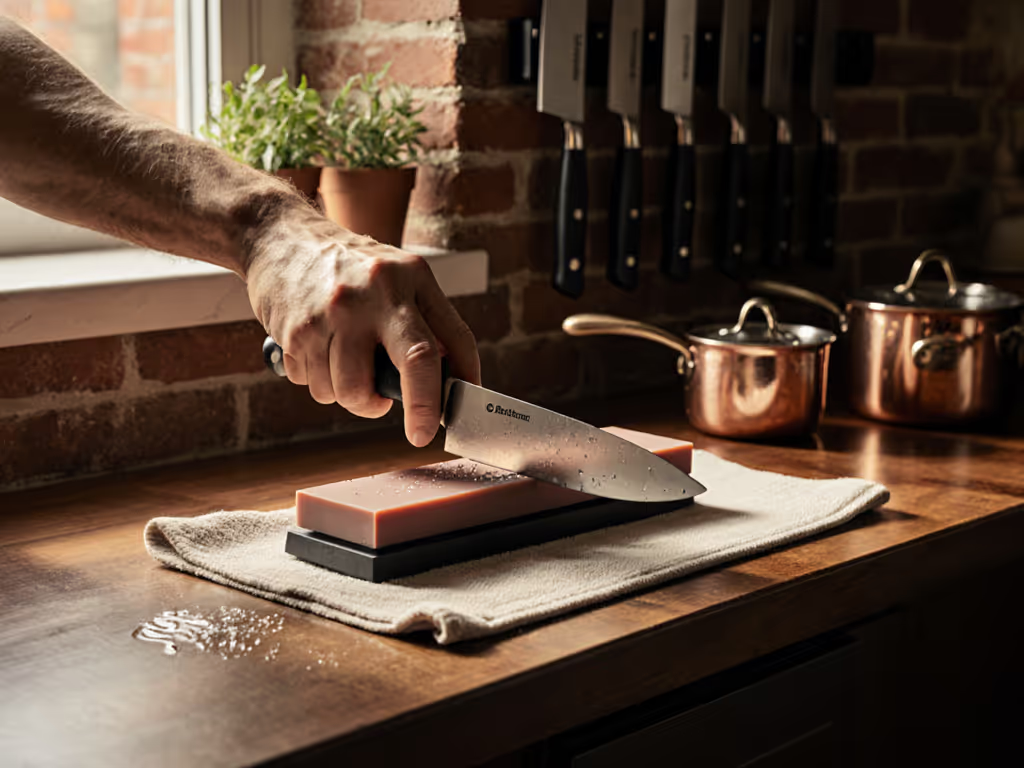
Mastering Electric Sharpener Grit Stages: Precision Without Damage
Use each electric sharpener grit stage deliberately to create a durable, precise edge while protecting blade geometry, guided by burr checks, disciplined pass counts, and consistent angles. Choose the right progression for your knife’s condition and steel - including supersteels - so sharpening boosts performance instead of accelerating wear.
Sharpening Fundamentals & Techniques
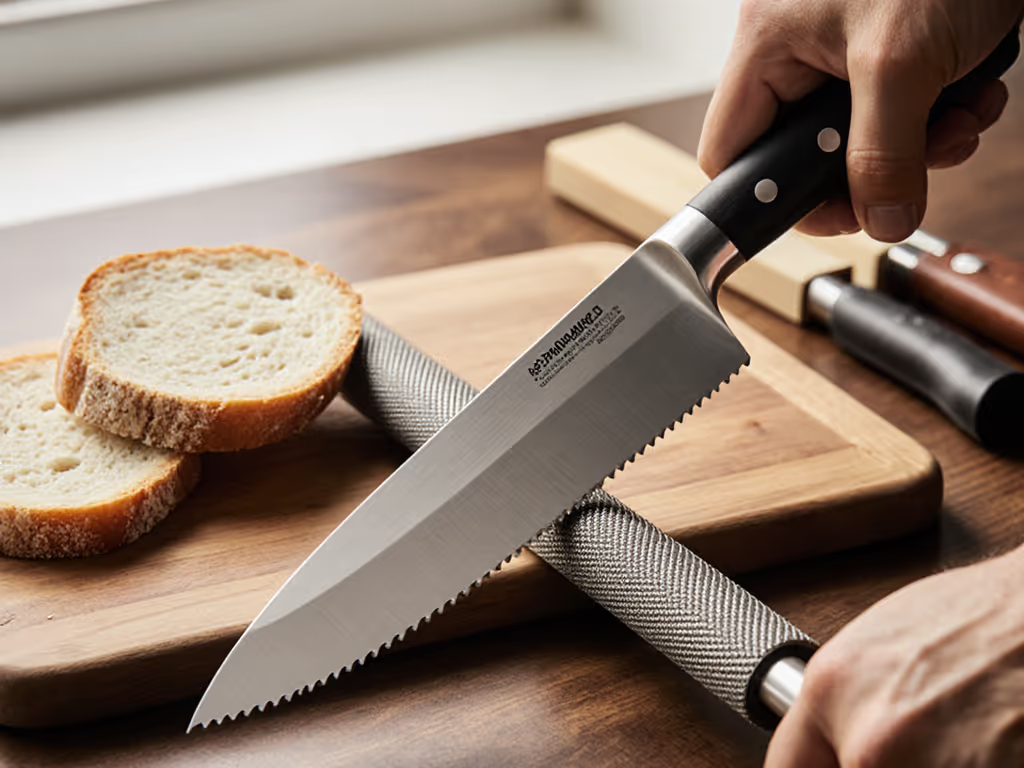
Serrated Edge Maintenance: Proven Methods That Work
Use repeatable, measured techniques - match tapered diamond rods to serration gullets, hold angles within tight tolerances, apply calibrated pressure, and remove burrs correctly - to maximize edge life and consistency. Backed by extensive testing, the methods outline the right tools, maintenance intervals, and common pitfalls to avoid for dependable serrated performance.
Sharpening Fundamentals & Techniques
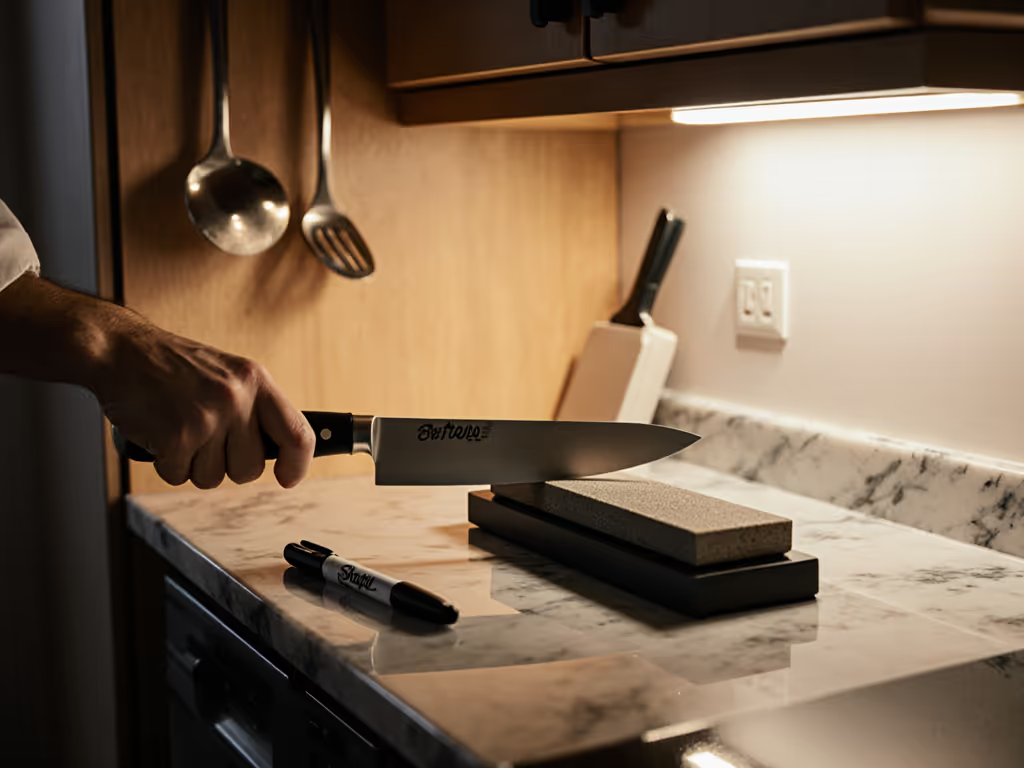
Knife Sharpening Angles Demystified For Small Kitchens
Match sharpening angles to your knife steel and small-space constraints to get sharper edges with less noise, less mess, and fewer re-sharpenings. Use practical grit choices, the Sharpie test, and a compact five-minute workflow to maintain knives without crowding the counter.
Sharpening Fundamentals & Techniques
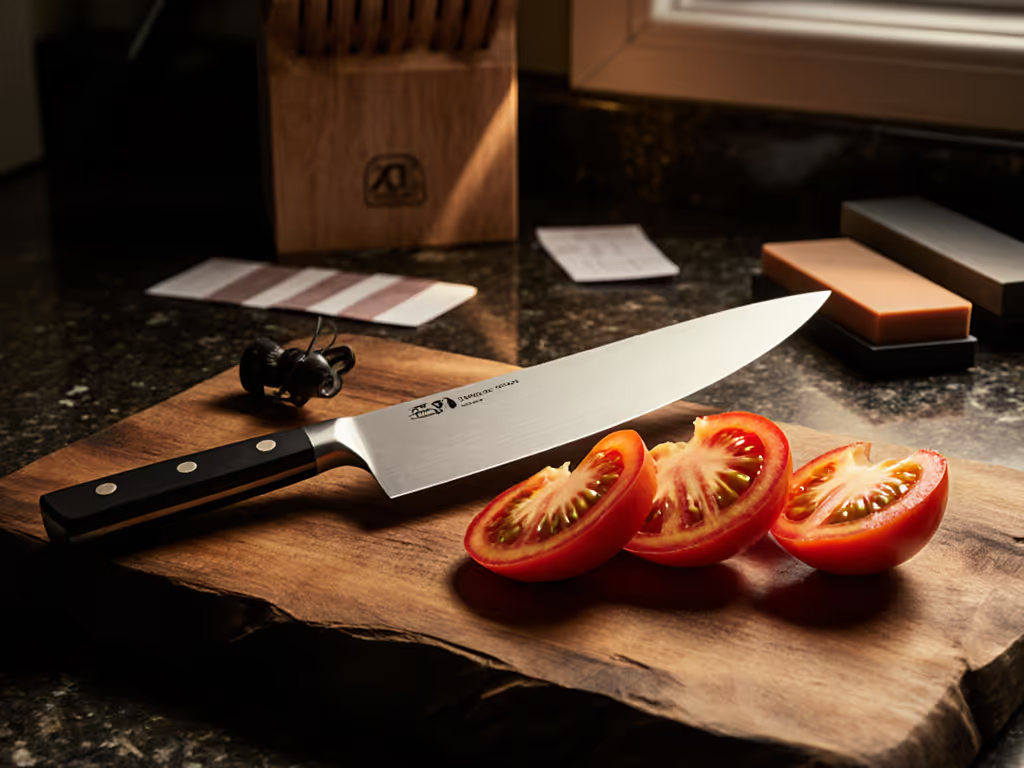
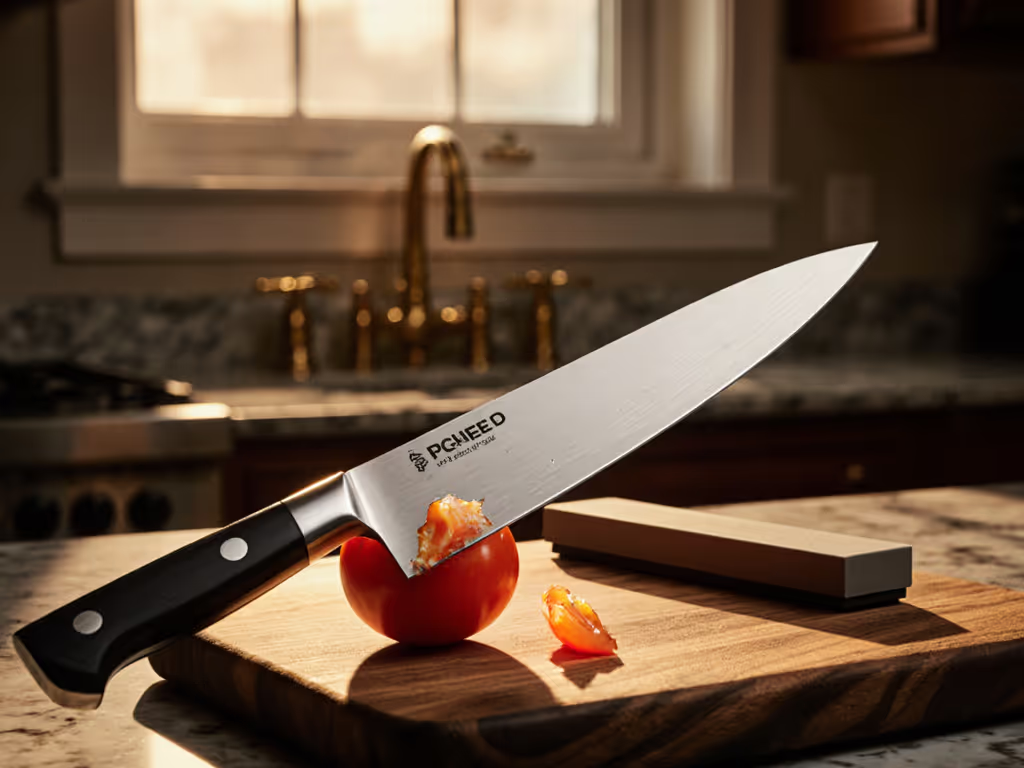
How Often to Sharpen Knives: A Usage-Based Timing Guide
Replace calendar rules with a simple, data-driven routine: track usage hours and task severity, consider steel type, and use tomato/paper tests to set sharpening triggers. Hone regularly to extend time-to-sharp and sharpen only when needed, improving safety, speed, and blade longevity.
Sharpening Fundamentals & Techniques
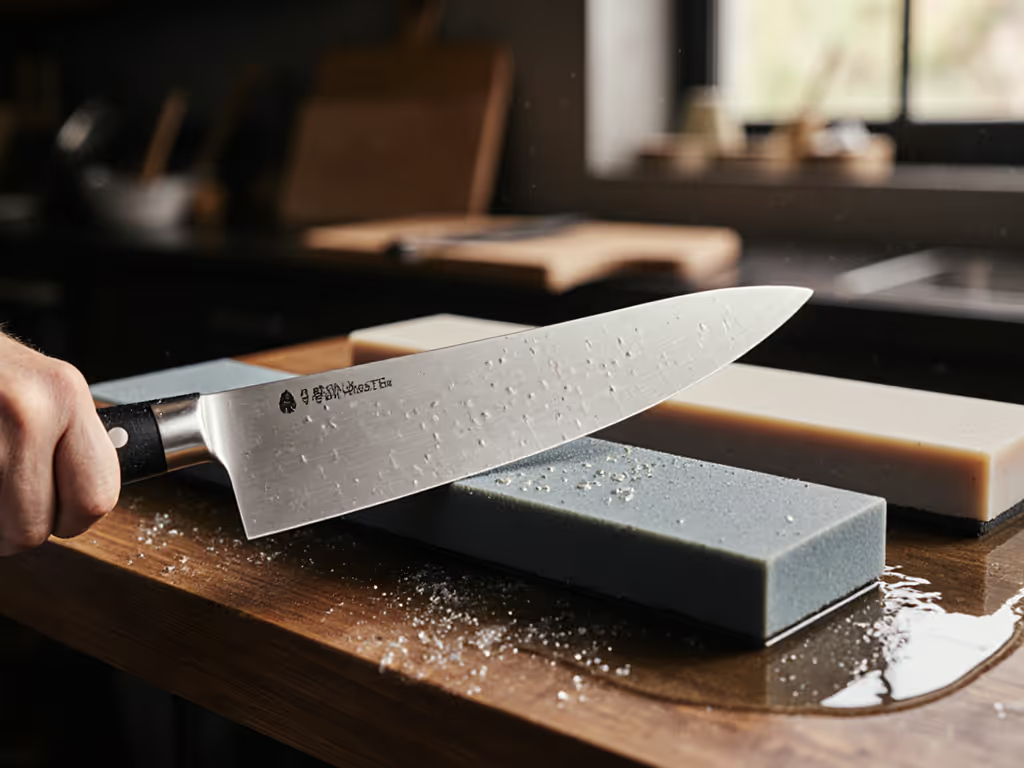
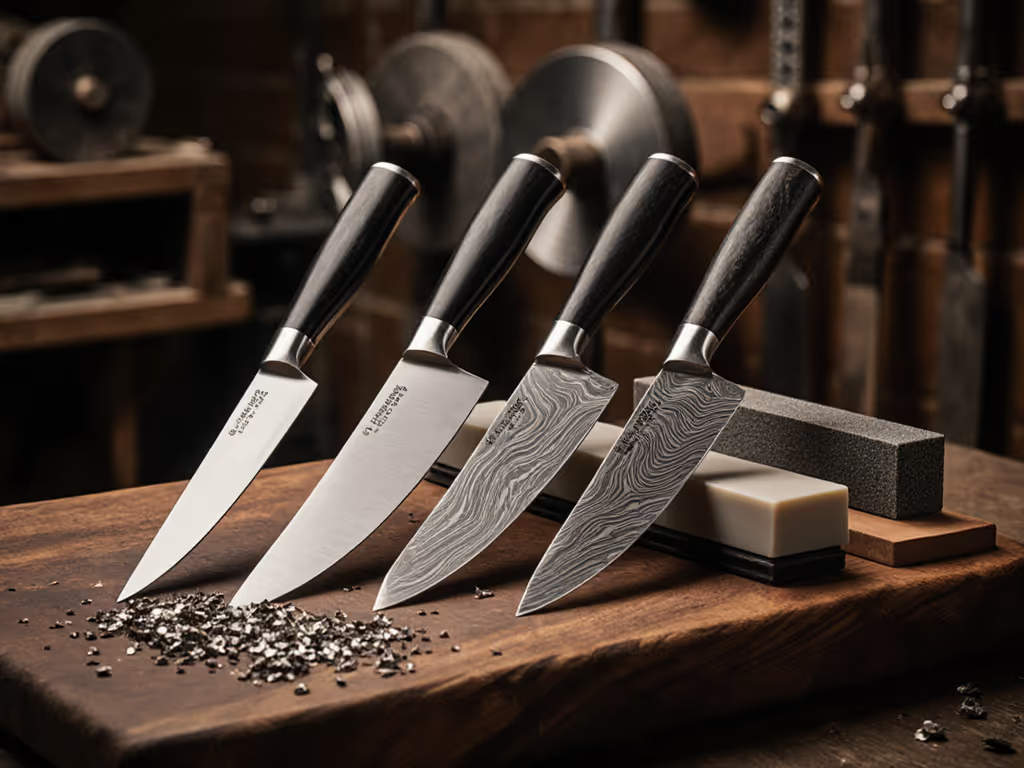
Knife Steel Types: Match Sharpening Methods to Blade Material
Match abrasives, grits, pressure, and angles to each blade material to raise a clean burr, avoid micro-chipping, and extend edge life using repeatable feedback cues. Covers adjustments for stainless, carbon, and super steels and when to use diamond tools for ceramics.
Sharpening Fundamentals & Techniques
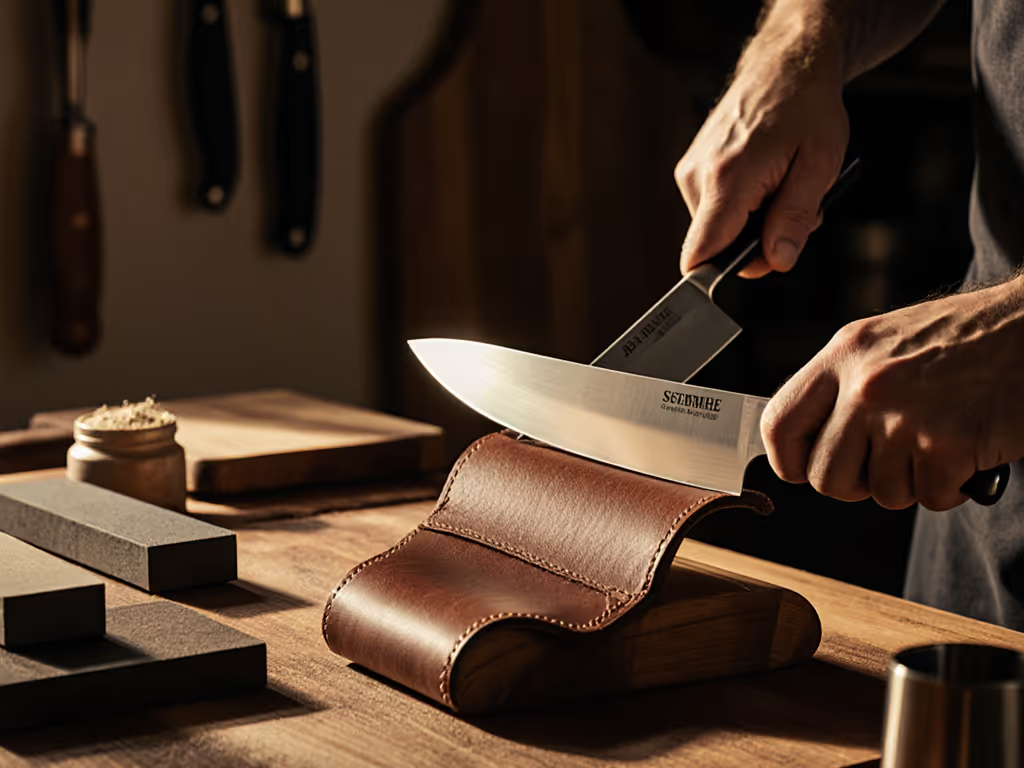
Leather Strop Technique: Achieve Perfect Edge Angles
Apply a data-driven stropping routine - backward strokes with 30–50 g pressure, ±1.5° angle tolerance, and 5–7 passes - to boost cutting performance and extend edge life. Follow maintenance cues and compound choices for hard steels, and remember: stropping refines but won’t fix poor sharpening geometry.
Sharpening Fundamentals & Techniques
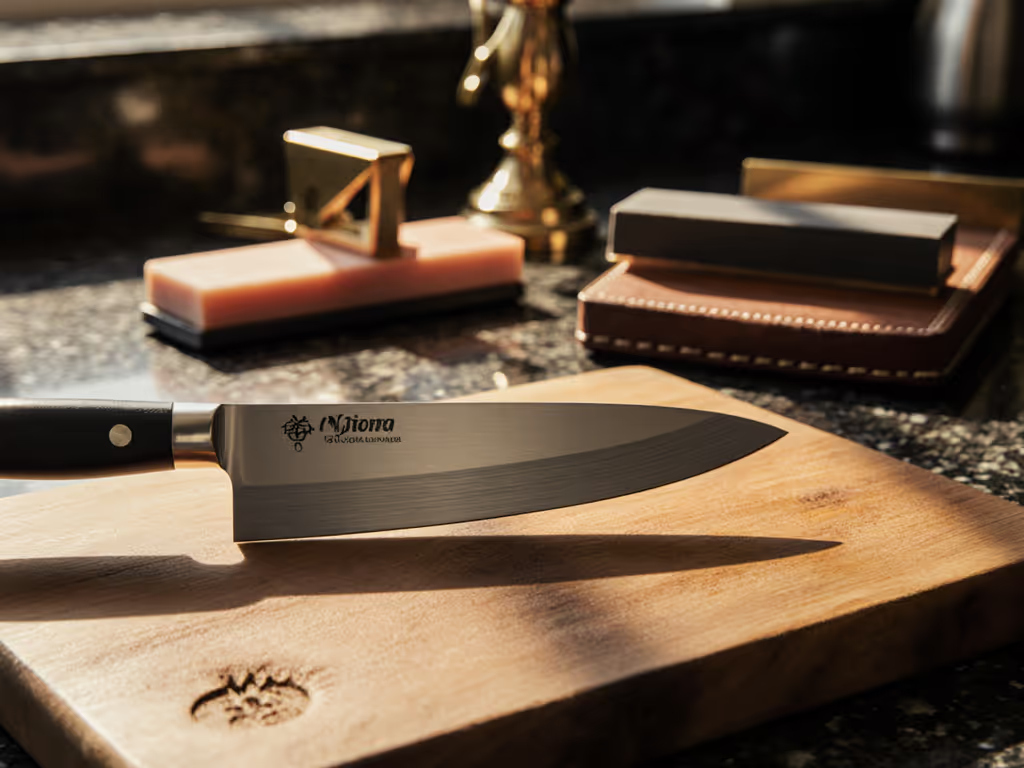
15 vs 20 Degree: Pick Your Perfect Knife Sharpening Angle
Pick the right sharpening angle by matching steel hardness and tasks - start safely at 20° for most knives, use 17° as a bridge, and reserve 15° for hard Japanese steels. Use simple consistency tricks like the paper-strip guide and Sharpie test to get sharper, longer-lasting edges.
Sharpening Fundamentals & Techniques
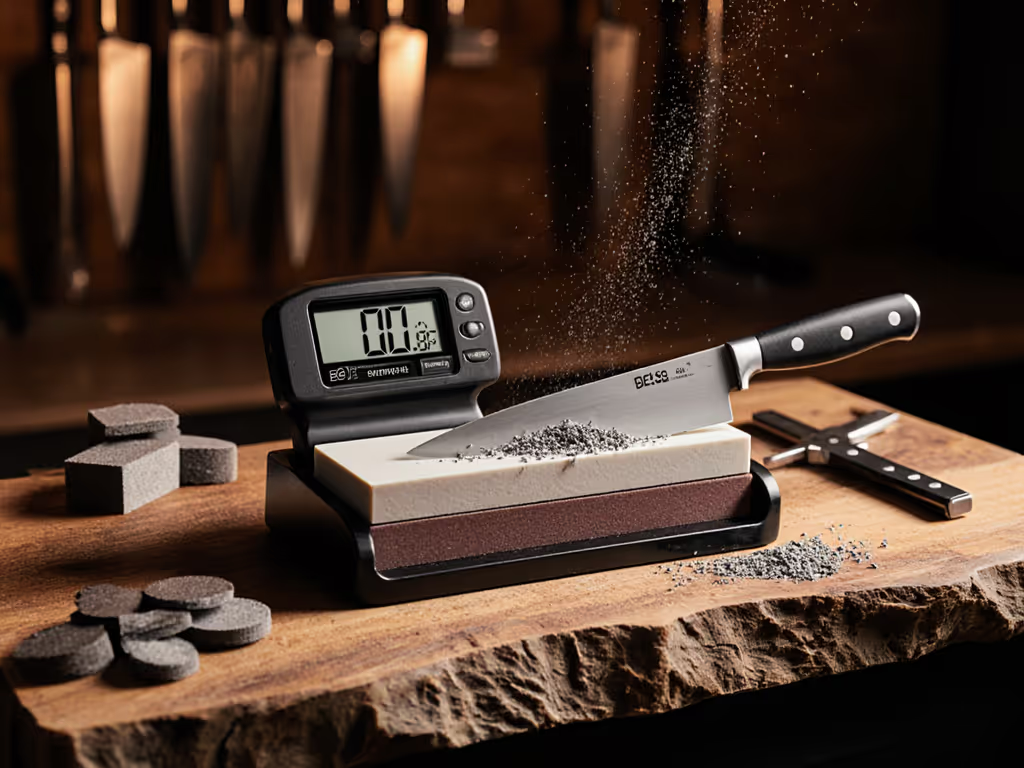
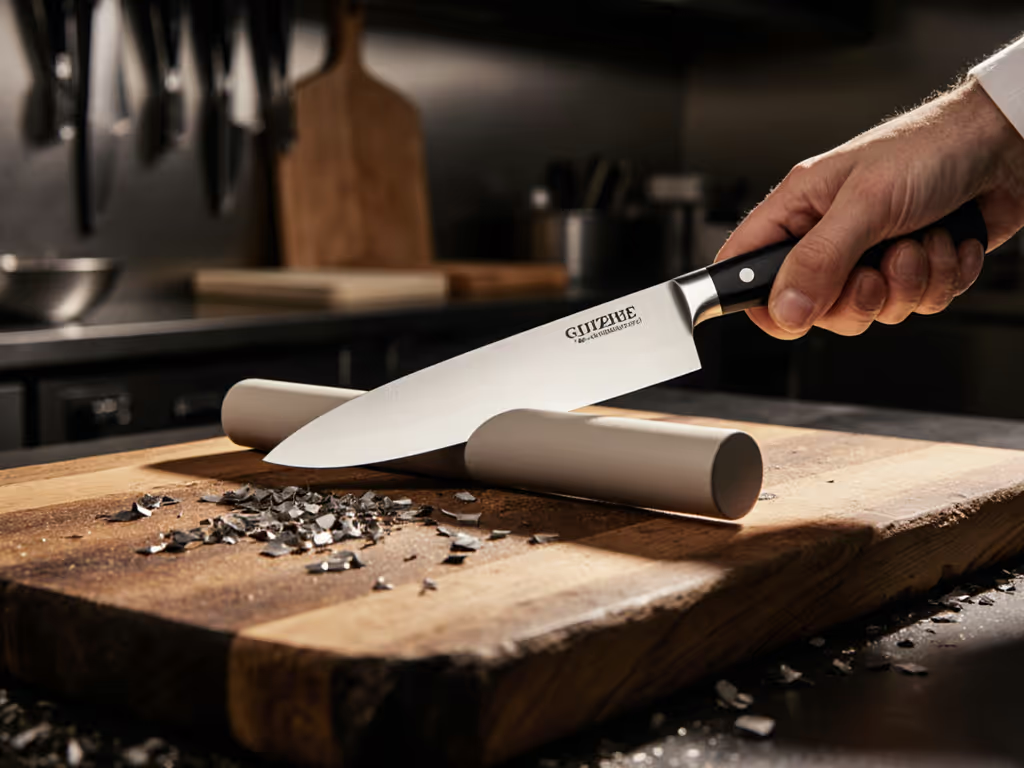
Best Knife Sharpening: Precision Methods for Lasting Edges
Use data-driven sharpening with BESS scores, precise angle control, and tracked steel removal to achieve faster, longer-lasting edges. Get practical setups for guided systems and supersteels, plus field touch-ups, and know what to measure to avoid wasting steel.
Sharpening Fundamentals & Techniques
Honing vs Sharpening: Get the Edge Right
Decide when to hone vs sharpen using a practical checklist, rod-steel pairings, and field-tested angle tips. Build a maintenance cadence that keeps edges reliable in tough conditions while extending blade life and improving safety.
Explore Other Topics

Comparisons & Decision Guides44 articles
In-Depth Product Reviews22 articles
Buying Guides & Roundups13 articles