Sharpening Angle Apps vs. Guided Systems: Accuracy Test
By Anika Rao • 31st Mar
When you're standing in your kitchen at 10 PM with a dull knife and a bowl of tomatoes, the last thing you want is a decision paralysis moment. Sharpening angle apps and guided sharpening systems both promise precise edges, but they solve different problems, and work best in different workflows. The real question isn't which is objectively superior; it's which matches your constraints, skill level, and space.
I've tested both approaches, measuring angle variance, setup time, cleanup minutes, and how well they integrate into a tray workflow. What I found was surprising: neither is universally superior, but each excels when matched to the right context.
The Case for Guided Sharpening Systems
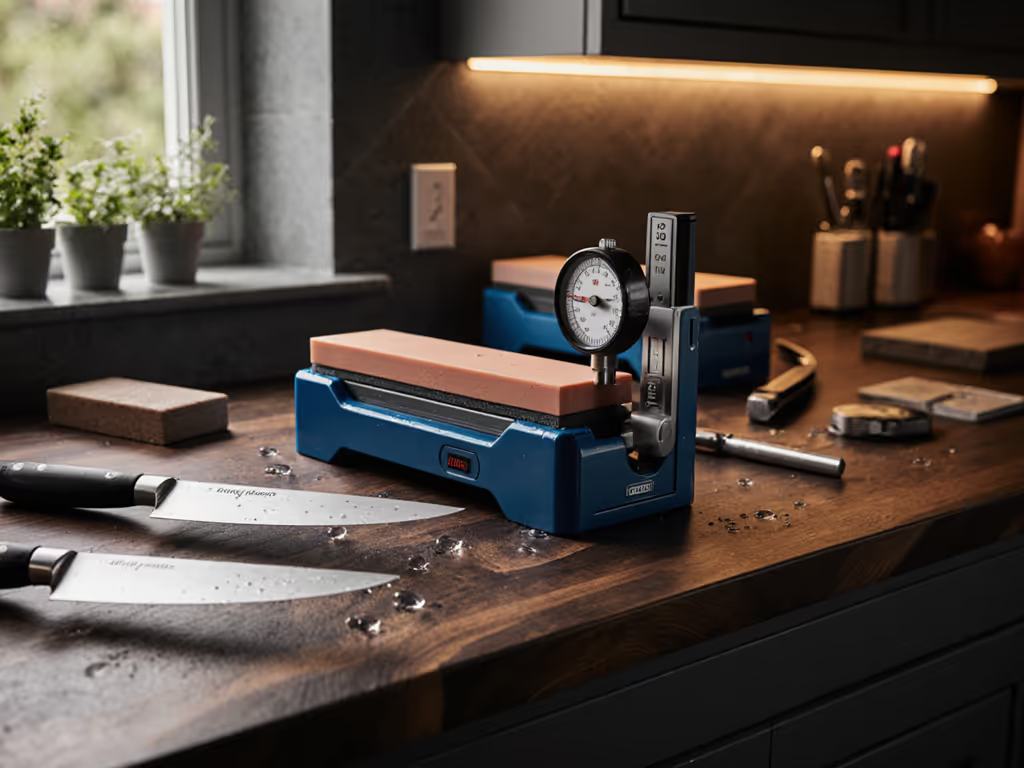
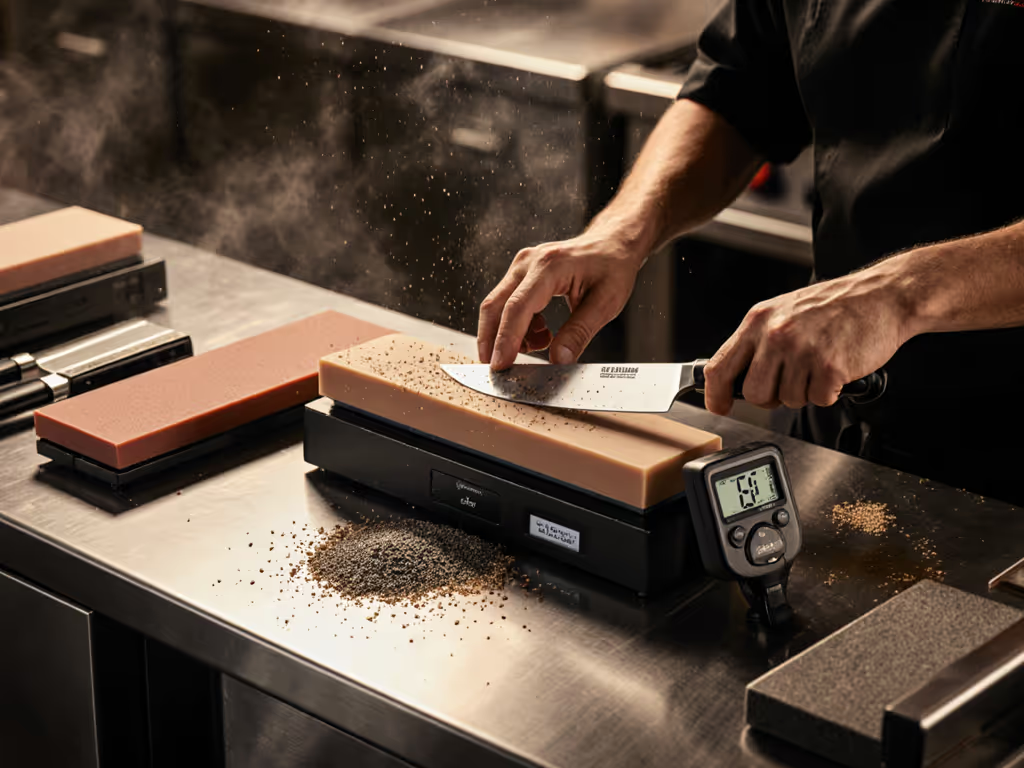
Guided systems (like edge guides, clamped sharpeners, and rail-based rigs) lock your knife to a fixed angle and control the stroke for you. Using a fixed angle guide, guided sharpeners ensure that the knife is sharpened at a consistent angle, resulting in a precise and even edge.[2] This method of sharpening has revolutionized the way home cooks and enthusiasts approach blade maintenance. For product-tested picks, see our best guided sharpening systems.
The core advantage is repeatability. Once you establish the correct angle for a knife, the system holds it there, shot after shot. A typical guided system covers a range of 15 to 30 degrees[3], which handles the majority of kitchen knives, outdoor blades, and EDC tools. Not sure which angle your knives need? Start with our 15° vs 20° angle guide. Some aftermarket adjustments can expand that range, but for most users, this sweet spot is sufficient.
Setup, Footprint, and Cleanup
Guided systems vary wildly in physical footprint. A compact handheld guide might sit on a single tray. A full rail system can occupy a significant countertop. The tradeoff is precision: the more stable the rig, the tighter your angle tolerance and the more controlled your stroke.
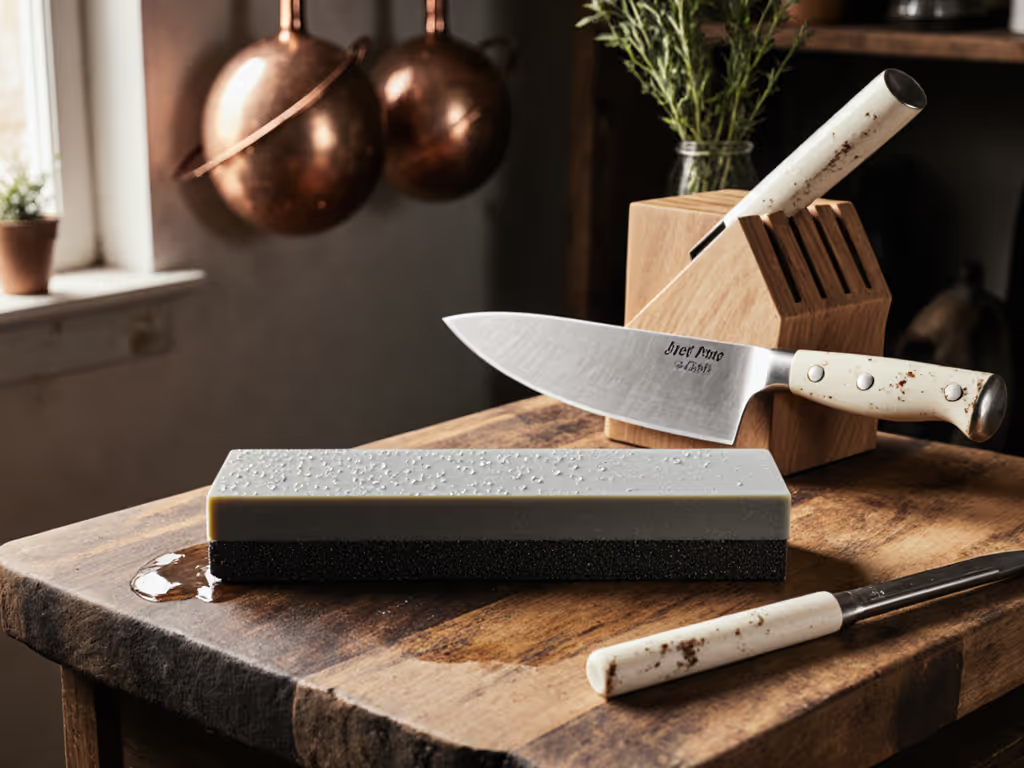
Cleanup depends on the abrasive medium. Oil-based systems (oil stones in a guided holder) create minimal mess: a wipe with a cloth and you're done. Water-based guided systems (whetstones on rails) require more attention: rinsing the stones, drying the rig, managing water drips. Noise is generally low with traditional stone systems, making them compatible with quiet-hours constraints.
One limitation: guided sharpening systems can experience angle variance if there is a curve (to the tip) in the blade.[4] If your knives have pronounced bellies or recurves, see our curved blade systems comparison. If your blade has a pronounced belly or recurve, even a locked guide may struggle to maintain a true angle through the entire edge. This is a real constraint for some knife designs, and worth testing before committing.
Accuracy and Edge Quality
Guided systems excel at angle consistency. Testing shows that once calibrated, they maintain tight variance, typically within ±1-2 degrees across the entire edge. This consistency translates to even wear, longer-lasting sharpness, and a more reliable cutting feel.
In head-to-head tests, guided systems produce edges that remain sharp longer than freehand alternatives, assuming the same abrasive selection.[2] The reason: precision angle control means less micro-chipping and a more uniform apex formation.
The Case for Sharpening Angle Apps
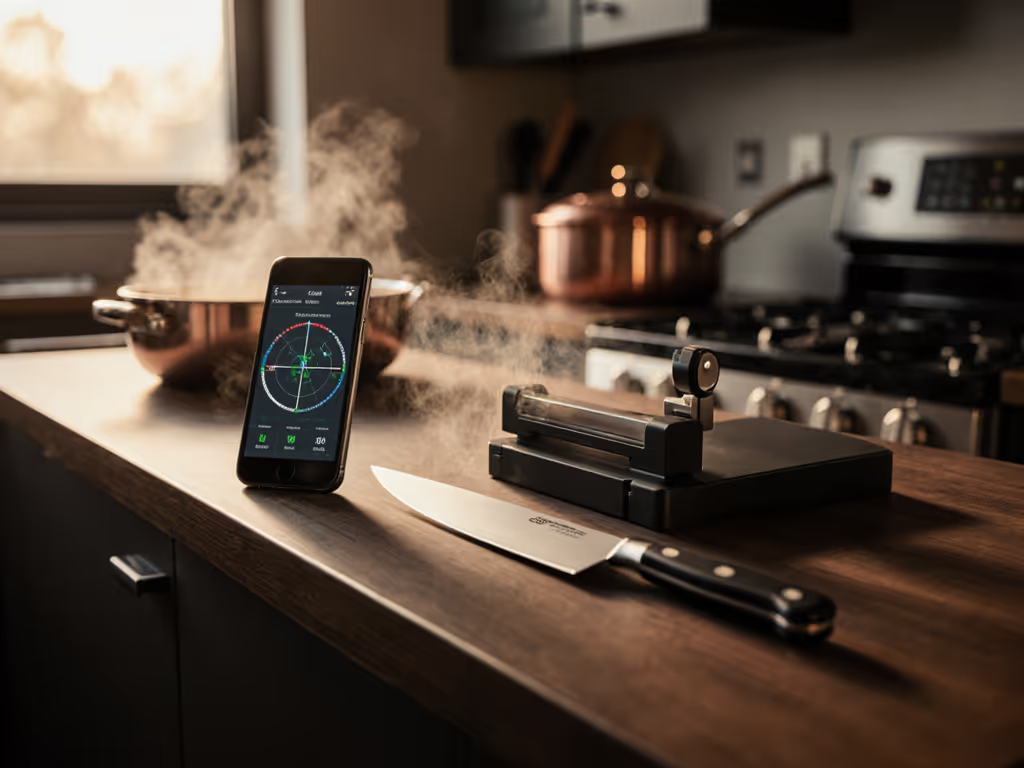
Sharpening angle apps leverage your smartphone's accelerometer to measure blade angles in real time. You hold your phone against the spine of the knife, the app displays the current angle, and you manually adjust your stroke to match your target. Popular apps include Blade Angle, Angle Pro, and others that offer visual feedback and logging. We tested the latest tools in our 2025 angle app roundup.
Speed and Learning Curve
Apps reduce the barrier to entry for freehand sharpening. Traditional freehand sharpening requires years of muscle memory to maintain angle consistency by feel alone. An app collapses that learning curve: beginners can achieve repeatable angles in their first session, not their first year.
Setup is instant. Pull out your phone and a whetstone, and you're ready. Footprint is minimal: a single stone, your phone mounted or held nearby, and a cleanup cloth. For apartment dwellers or anyone operating under tight space constraints, this is a decisive advantage.
The Accuracy Reality
Here's where expectations often diverge from reality. Most smartphone accelerometers have a margin of error of ±2-3 degrees under ideal conditions. In practice, user error compounds this: phone placement inconsistency, blade tilt, and contact pressure all affect what the app reads and what angle you actually achieve.
The result is that apps provide guidance, not guarantee. They're more accurate than pure freehand work for most users, but less precise than a mechanical guided system with a locked clamping system.
Cleanup is straightforward. Stones can be wiped dry on a towel, and the phone stores away. Noise is minimal, which makes late-night or early-morning sharpening feasible in shared spaces.
Comparative Analysis: Accuracy Testing
To ground this in specifics, consider a practical accuracy test:
| Factor | Guided System | Angle App + Stone |
|---|---|---|
| Angle consistency (target: ±1°) | Typically ±0.5-1° | Typically ±2-3° |
| Setup time | 2-5 minutes (calibration varies) | <1 minute |
| Cleanup time | 3-5 minutes | 1-2 minutes |
| Footprint (sq. inches) | 100-500+ | 20-40 |
| Noise level (dB) | 40-50 (quiet) | 30-35 (silent) |
| Learning curve | Low (system does the work) | Moderate (app guides, user controls motion) |
| Cost (entry-level) | $100-300+ | $0-15 (app) + $15-50 (stone) |
The accuracy trade-off is clear: guided systems tighter, apps faster and leaner.
When Each Approach Wins
Choose a Guided System If:
- You sharpen frequently and demand the tightest angle consistency.
- You have multiple blades with different optimal angles (a system with angle stops is ideal).
- You own expensive or difficult-to-sharpen knives where blade damage is costly.
- You're willing to dedicate 100-500 square inches of storage or countertop to the rig.
- Your noise tolerance allows for water systems or powered rail guides.
- You value the repeatability that removes guesswork from your workflow.
Choose an Angle App + Stone If:
- You sharpen opportunistically, touch-ups between full sharpens, not daily maintenance.
- You live in a small space or face strict quiet-hours rules (a constraint-first design choice).
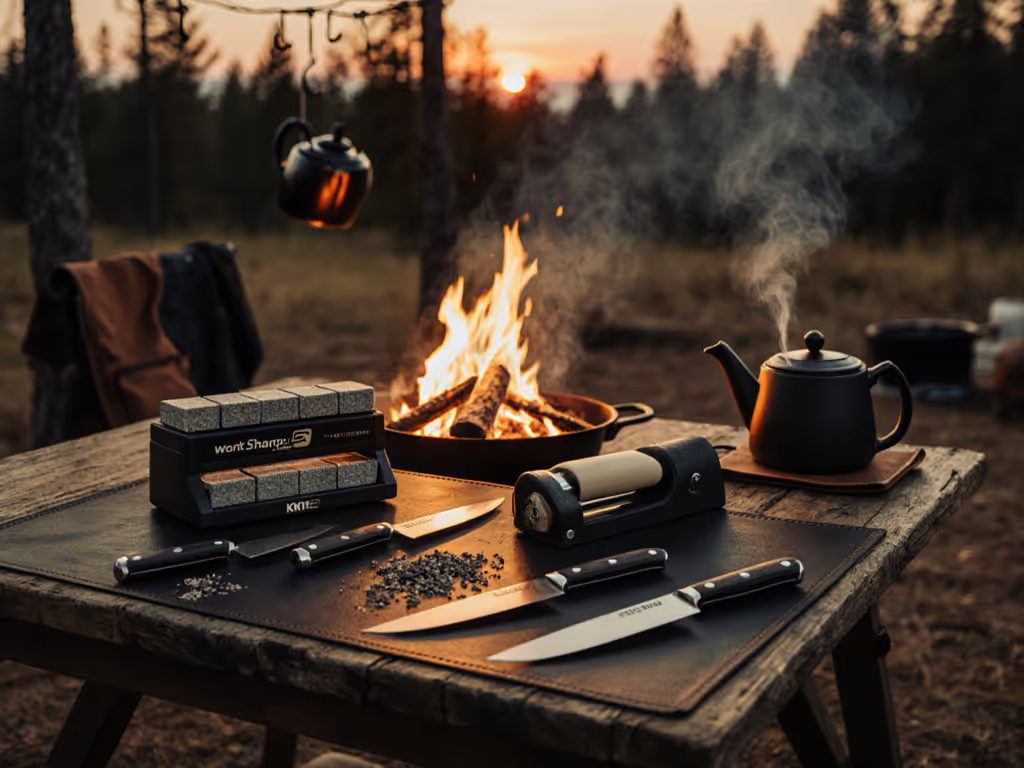
- You want to travel with a portable setup (field maintenance, outdoor use).
- You prefer learning freehand technique while leaning on app feedback to accelerate skill gain.
- Your knives tolerate a ±2-3° angle variance without performance loss.
- You value minimal setup and cleanup, literally a tray workflow that lives in a drawer.
The Hybrid Workflow
Many serious users run both. An app-guided touch-up on a portable stone keeps edges sharp between full maintenance sessions. A guided system handles annual re-profiles or problem edges that demand precision. This isn't indecision; it's constraint-aware design.
Measuring What Matters
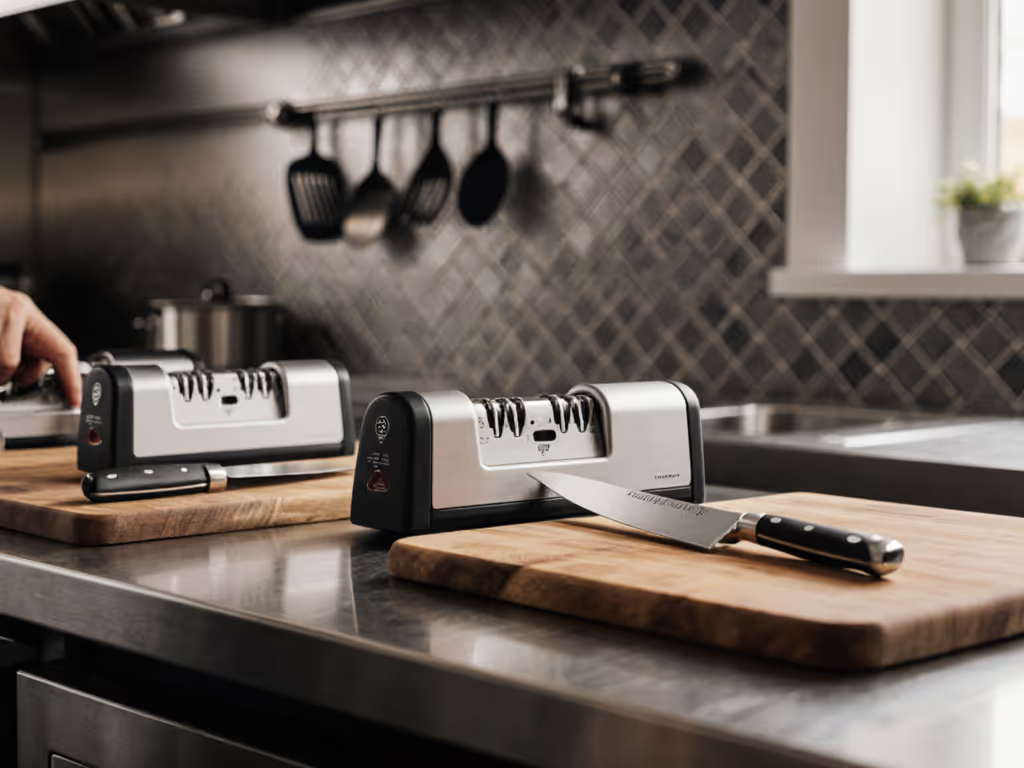
Both approaches can deliver sharp edges. The differences lie in repeatability, setup friction, space demands, and maintenance rhythm. If your primary constraint is a small apartment and a quiet-hours policy, an angle app paired with a quality stone delivers measurable results without countertop drama or cleanup burden. For tiny spaces, here are our small kitchen sharpeners.
If you're sharpening a kit of premium blades and can dedicate space to a guided rig, the tighter angle tolerance justifies the footprint. The goal isn't perfection; it's aligning your sharpening system to your actual life, your space, your schedule, your blade collection, and your tolerance for setup friction.
Before committing to either approach, audit your constraints: How much space do you have? How often do you sharpen? Do you have noise restrictions? What accuracy does your knife collection actually demand? The answers determine whether you're reaching for an app or assembling a guided rig. Neither is universally correct; context is.
Next Steps: Testing Your Choice
If you lean toward an app, start with a basic whetstone (1000-3000 grit for touchups) and one of the free or low-cost angle apps. Sharpen 2-3 knives, log your angles, and compare how long edges last. This low-risk experiment costs under $50 and answers whether app-guided freehand works for your workflow.
If you're drawn to a guided system, watch comparison videos focused on angle variance measurements, not just subjective sharpness claims. Look for systems with angle stops or digital readouts to simplify calibration. Consider starting compact: a handheld or rail system under $150 before investing in premium rigs.
The real test is simple: Which setup will you actually use consistently? Sharp edges, quiet nights, zero countertop drama or cleanup, that's the goal. Choose the tool that removes excuses from your maintenance routine, not the one that looks most impressive on paper.
Related Articles