
Sharpening Tool Upkeep: Maximize Longevity and Performance
By Sora Tanaka • 22nd Oct
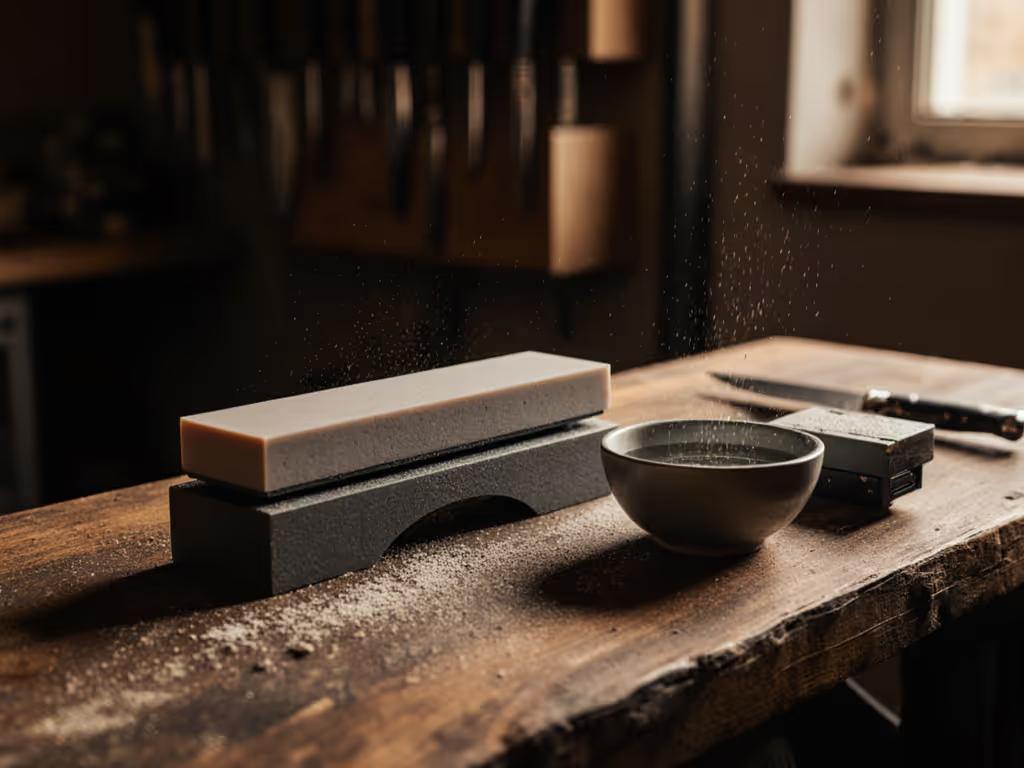
Proper sharpening tool upkeep forms the foundation of consistent knife sharpening results. Whether you're using a simple whetstone or a sophisticated guided system, maintaining your sharpening implements directly impacts your ability to make any sharpener produce a sharp edge. Neglected tools yield inconsistent edges, wasted time, and potential damage to valuable blades. This comprehensive guide addresses frequently asked questions about sharpening tool maintenance, providing actionable insights grounded in steel behavior and practical feedback mechanisms. Control the angle, control the outcome. For why angles matter and how to keep them consistent, see our 15° vs 20° angle guide. Steel tells the truth.
Why Does Sharpening Tool Maintenance Matter More Than Most Realize?
Sharpening implements degrade subtly over time, compromising their ability to deliver consistent results. A warped stone creates uneven apex formation; a dirty abrasive surface introduces micro-scratches; a misaligned guide system produces inconsistent angles. These issues compound with use, often without immediate notice. Consider this: a 0.5° variance in angle across a sharpening session can reduce edge retention by up to 30% in modern high-carbon steels, as confirmed by independent edge testing labs. Regular maintenance is not just about tool longevity. It is about preserving your hard-earned skill development.
How Often Should I Perform Basic Maintenance on Different Sharpening Tools?
Maintenance frequency depends on usage patterns and tool type. Consider these checkpoint-driven guidelines:
-
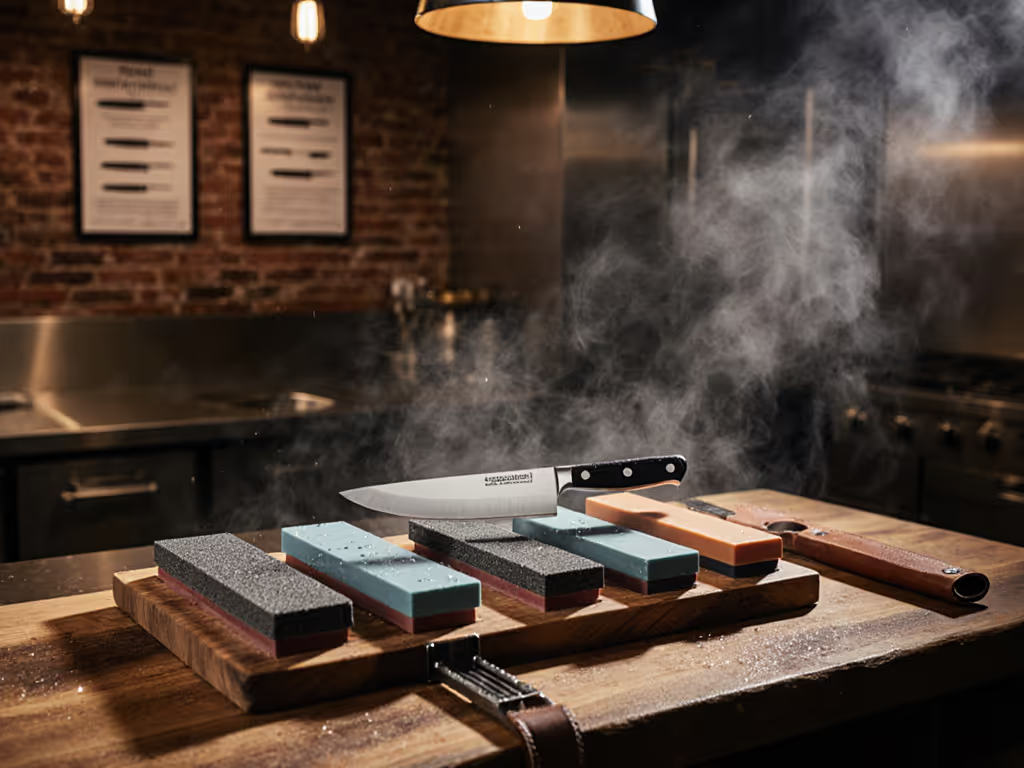
Natural/Composite Whetstones: Flattening required after 8-10 sharpening sessions for medium grits (#1000-#4000), more frequently for coarser stones. A simple water test reveals high spots: pour water on the stone (if it pools unevenly, flattening is needed).
-
Diamond Plates: Clean after each use with a stiff nylon brush and water to remove metal swarf. Lubricate with water before each session to prevent premature wear. If you're choosing between water, oil, and diamond stones, our stone maintenance comparison explains upkeep, performance, and cost trade-offs.
-
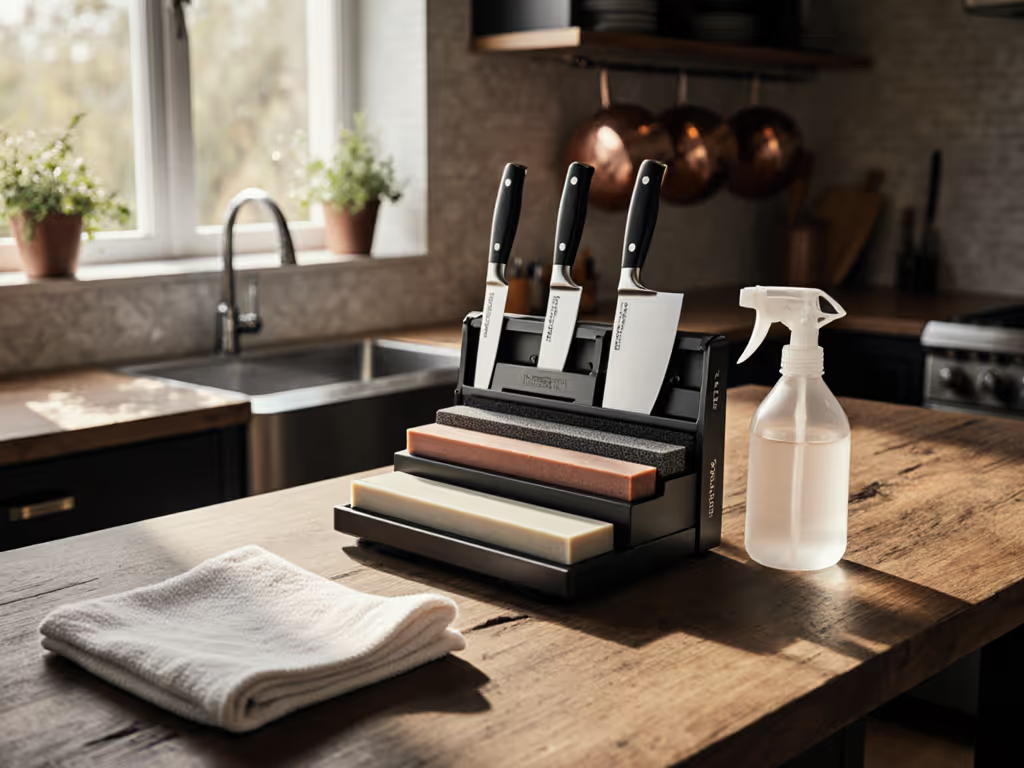
Guided Systems (like the Work Sharp Precision Adjust Elite): Check alignment monthly using a digital angle gauge. Verify clamping mechanisms maintain consistent pressure. Loose clamps cause angle drift during whetstone knife sharpening.
-
Electric sharpener knife systems: Clean abrasive channels weekly if used regularly. Remove built-up metal particulate with a specialized cleaning brush to maintain consistent grit engagement.
Consistency over speed: A well-maintained tool used deliberately produces better results than a neglected premium system used hastily.
What's the Most Critical Maintenance Step for Whetstone Knife Sharpening?
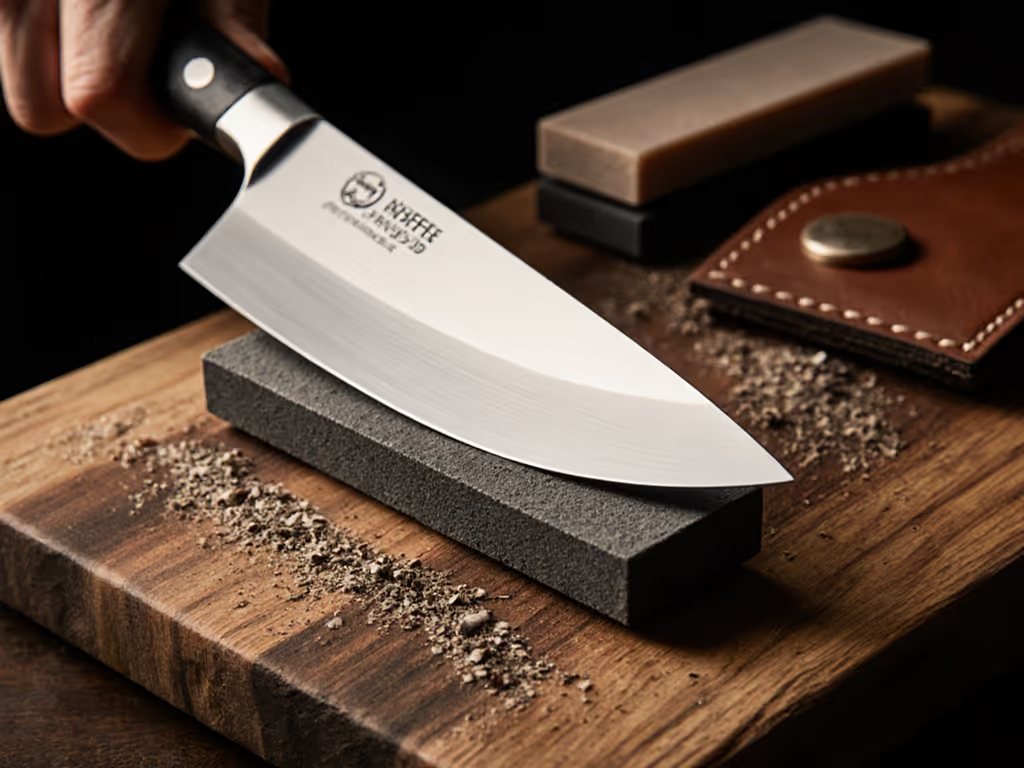
Stone flattening is non-negotiable for precision results. An uneven surface creates inconsistent contact across the blade edge, preventing uniform apex formation. When I apprenticed with a master sharpener, he made me flatten stones before every session until I could detect subtle warping by touch alone. This practice develops crucial feedback awareness.
Flattening Protocol:
- Use a lapping plate or coarse silicon carbide powder on glass
- Apply even pressure while moving the stone in a figure-eight pattern
- Stop when scratches cover 90% of the surface
- Rinse thoroughly. Residual grit damages finer stones
- Allow full air drying before storage
Never skip this step. Even premium stones warp significantly after moderate use. A flat stone provides the honest feedback loop necessary for mastery.
How Do I Address Common Maintenance Challenges for Different Knife Types?
Specialized blades require tailored maintenance approaches:
-
Serrated Knives: Cleaning serrated grooves after electric sharpener knife use prevents clogging. Use a dedicated wire brush designed for serrations to remove metal particulate trapped in valleys. For step-by-step techniques that preserve scallops and gullets, use our serrated edge maintenance guide.
-
Super-Steel Blades (M390, S35VN): These require more frequent abrasive maintenance. Diamond plates quickly glaze when working with high-alloy steels, so use a dedicated cleaning stone after each session to reactivate the surface.
-
Outdoor/EDC Tools: Field conditions accelerate wear. Carry a small flattening stone for on-the-go correction of pocket sharpeners. A warped field stone creates dangerous inconsistencies when processing game or performing emergency cuts.
Each steel type interacts differently with abrasives. Observe how quickly your tools show wear when working specific materials. This feedback informs your maintenance schedule.
What Are the Most Common Mistakes in Sharpening Tool Upkeep?
Based on years of teaching, these maintenance errors most frequently undermine results:
-
Improper Storage: Stacking stones without separators causes chipping and uneven wear. Store vertically with breathable spacers.
-
Inadequate Drying: Trapped moisture in porous stones creates internal stress cracks. Never store stones damp. Allow 48 hours of air drying post-use.
-
Neglecting Angle Guides: Worn plastic guides on systems like the Work Sharp Precision Adjust Elite lose precision. Replace when you notice even 1° variance between initial setup and final passes.
-
Over-Oiling: Some "maintenance" oils actually attract grit. For most modern stones, plain water suffices as both lubricant and cleaner.
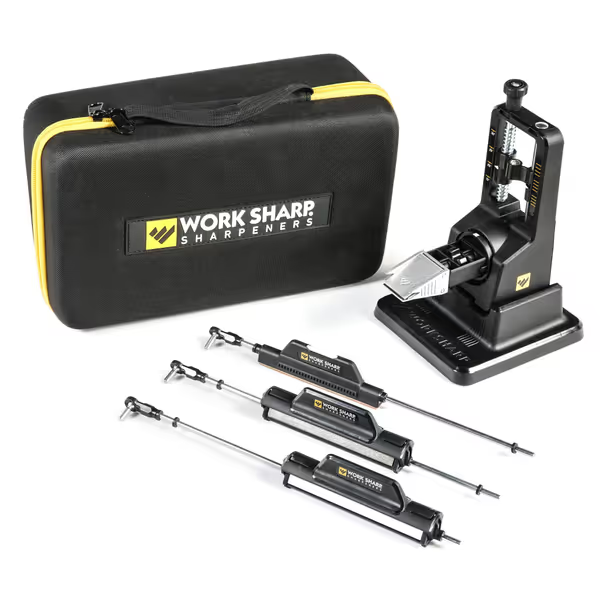
WORK SHARP Precision Adjust Elite
Achieve razor-sharp, consistent edges for all your knives, quickly and easily.
$129.95
Angle Adjustment15-30 Degrees
Angle Adjustment15-30 Degrees
Pros
7 Abrasive Grits for versatile sharpening needs.
Fast, easy grit changes for efficient workflow.
Achieves impressive sharpness for diverse blades.
Cons
Angle consistency can vary for some users.
Magnet strength issues with clamp and arm reported.
Customers find the knife sharpener effective, particularly for pocket knives, and appreciate its ease of use with minimal learning curve. The product delivers razor-sharp results and is well worth the price. The angle accuracy receives mixed feedback - while some say it keeps a consistent angle, others note that the angle can change substantially. Additionally, several customers report issues with the magnet strength, mentioning that the clamp doesn't hold knives securely and the sharpening arm falls out of its magnetic mount.
Customers find the knife sharpener effective, particularly for pocket knives, and appreciate its ease of use with minimal learning curve. The product delivers razor-sharp results and is well worth the price. The angle accuracy receives mixed feedback - while some say it keeps a consistent angle, others note that the angle can change substantially. Additionally, several customers report issues with the magnet strength, mentioning that the clamp doesn't hold knives securely and the sharpening arm falls out of its magnetic mount.
How Can I Extend the Life of Electric Sharpening Components?
Electric sharpener knife systems require specific maintenance protocols:
-
Abrasive Wheels: Rotate direction periodically to prevent uneven wear patterns. Replace when you notice diminished cutting efficiency despite cleaning.
-
Motor Components: Keep vents clear of metal dust, since accumulated particulate insulates heat buildup and shortens motor life.
-
Angle Guides: Check for play regularly. Even slight movement introduces significant angle variance at high speeds. To avoid over-grinding and extend wheel life, follow our electric sharpener grit stages guide.
-
Safety Note: Never operate electric sharpeners without proper guards. A sharp edge is worthless if created at the cost of personal safety.
What Should I Monitor to Know When Tools Need Replacement?
Tools degrade gradually, so you need objective checkpoints:
-
Whetstones: When flattening requires removing more than 1/8" of material, replace the stone. Excessive flattening wastes valuable abrasive.
-
Diamond Plates: Test with a straightedge. Visible grooves indicate significant wear. When plates no longer cut efficiently after proper cleaning, replace them.
-
Guided Systems: When angle consistency varies by more than 1° between initial and final passes on the same stone, replace worn components.
Track your maintenance sessions in a simple log. This builds the deliberate practice feedback loop essential for mastery. Note blade performance alongside tool condition. This reveals subtle degradation before it becomes obvious.
Final Considerations for Sustainable Sharpening Tool Upkeep
True skill development requires tools that provide honest feedback. Your maintenance regimen should preserve this critical function above all else. Remember the lesson I learned through years of practice: feedback is the teacher; the stone is honest. Each maintenance session offers opportunity to refine your observational skills. Learn to read the subtle signs your tools provide.
When approaching your final abrasives, always lighten the finishing passes. This applies equally to your tools' care. Over-aggressive maintenance damages precision components just as heavy pressure ruins fine edges. Approach tool upkeep with the same patient precision as blade sharpening itself.
For those seeking deeper technical understanding, consider studying metallurgical interactions between specific steels and abrasives. Our companion guide Steel-Specific Sharpening Progressions details how different alloys respond to various maintenance approaches. True mastery comes not from the tools themselves, but from the deliberate practice and clear feedback loops your maintenance regimen supports.
Related Articles