DMT Premium Benchstones: Fast, Flat, No Fuss
By Anika Rao • 23rd Feb
When my building's quiet-hours policy kicked in, I had to stop romanticizing sharpening as a ritual and start measuring it like a workflow. Decibels. Footprint. Cleanup minutes. That's when I discovered that DMT diamond sharpening stones weren't just effective (they were the answer to sharp edges, quiet nights, and zero countertop drama). They don't ring like ceramic, they don't splash like whetstones, and they won't dish out on you mid-season. For apartment cooks, outdoor enthusiasts, and anyone running a tight operation, diamond sharpening stones from DMT bridge performance and practicality without compromise.
This isn't a brand lovefest. It's a breakdown of how these premium benchstones actually perform against the constraints that matter: speed to sharp, space consumed, noise generated, and, critically, cleanup burden.
1. Why Diamond Stones Win on Speed and Consistency
The core advantage of premium diamond stones is their hardness and cut rate. Unlike ceramic or water stones, diamond particles don't wear down; they fracture predictably and stay aggressive across hundreds of sharpenings. DMT's micronized monocrystalline diamond surface cuts faster than conventional stones, and you don't need oil (sharpen dry or with a splash of water). No slurry buildup. No oily rags. Just stone to blade and back to the drawer.
For serious home cooks and EDC users, this means a neglected edge goes from dull to working-sharp in one short session on coarse grit, followed by a quick refinement on fine. No messy oils. A YouTube reviewer who's spent years on diamond plates confirmed the workflow: light pressure, weight of the blade, let the stone do the work. Press too hard and you fracture the nickel base beneath the diamonds, but respect that constraint and you get repeatability that ceramic stones can't match in the same time window.
The numbers back it up. Diamond stone performance on a factory-dull edge will establish a bevel or recover a damaged apex faster than whetstone systems, particularly when you jump to extra-coarse (220 grit) to establish geometry quickly. Then step down to coarse (325 mesh), fine (600 mesh), and extra-fine (1200 mesh) for finishing.
2. Flatness That Doesn't Drift
One extremely important advantage of diamond stones over oil, water, and ceramic stones is that they won't chip, crack, or dish (hollow out) during use. Every flattening ritual you'd normally schedule for a whetstone (lapping on glass plates, buying expensive flattening stones) disappears. Your stone stays true, so your blade geometry stays true. After hundreds of sharpenings, a customer review confirmed: "completely dead flat for perfect sharpening."
This matters more than it sounds. A dished stone accumulates edge errors that cascade across dozens of future sharpenings. With DMT diamond stones, your angle stays consistent session to session. For someone managing multiple knives across kitchen, camping, and EDC use, that's a huge constraint off your plate. You're not tracking flatness; you're just sharpening.
3. Breaking In and Bumpy Expectations
DMT diamond stones require a break-in period. When you first use them (especially coarse grits) diamond particles pop off the surface and can scratch the blade, creating a bumpy feel. This catches beginners off guard. You're not doing anything wrong; the stone is shedding its rough exterior, and feedback feels off. After a few passes and a quick blade wipe, the stone settles and cuts predictably.
For benchstone maintenance, this means: expect rough performance for the first 10-20 passes on a new stone, then smoothness. Once broken in, these stones remain low-maintenance. No flattening required. No refresh oils. Dry storage. The cleanup burden (minutes of rinsing or wiping) stays minimal throughout the stone's life.
4. Size and Footprint: The Compact Versus Full-Size Trade
DMT offers diamond stones in multiple formats. The DMT Double-Sided Diafold folds closed to 5 inches long by 1 inch wide by half an inch thick. Open, it stretches to 9.5 inches, giving you enough grip and work surface. This lives in a drawer. Closed, it fits a laptop bag for EDC or travel. The coarse and fine combination covers 90% of typical home maintenance.
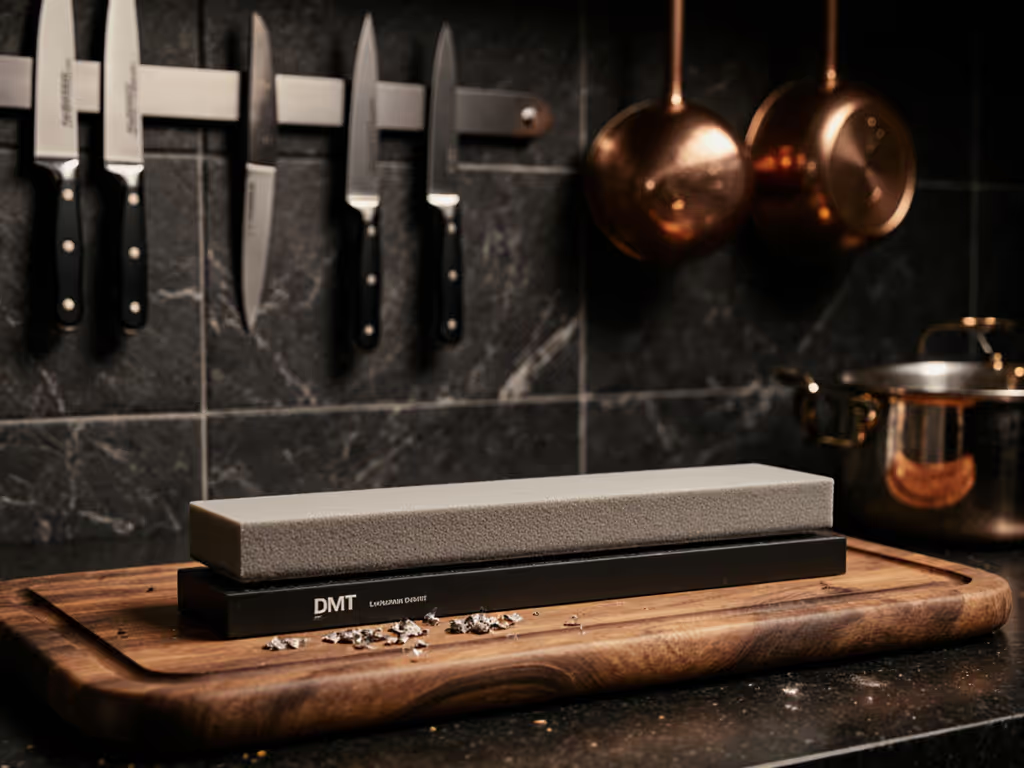
For bench work, full-size Dia-Sharp stones come in 6-inch and 8-inch lengths. A 6x2-inch stone offers enough surface to use the entire stone without dead zones, and at a couple of pounds, it's stable without being a weight anchor. Set it on a DMT Universal Sharpening Base, and large non-slip feet lock it in place so it doesn't wander across your counter during use. Setup time: 30 seconds. Footprint on a tray: smaller than a cutting board.
The constraint-first framing here is honest: you don't have to choose between compact and effective. You choose which format matches your workflow. Apartment kitchen? Diafold. Dedicated sharpening station? 8-inch Dia-Sharp on a base. Traveling? Diafold. This flexibility is why DMT scales from dorm rooms to woodworking shops.
5. Noise and Neighbor-Friendly Operation
Diamond stones are quiet-hours safe. Unlike powered grinders or belt sharpeners, there's no motor, no spinning, no high-frequency whine. If you're weighing manual stones against powered options, see our whetstone vs electric comparison. The only sound is the whisper of blade on stone, maybe 60-70 decibels, quieter than conversation. In a 10-minute evening sharpening session, your neighbors won't know you're working. For urban apartments where evening kitchen prep is common, or for anyone sharing walls, this is a genuine lifestyle advantage that shouldn't be dismissed as niche.
Cleanup is equally neighbor-safe. No water splash or slurry spray. You're working dry or with a small cup of water. Wipe the stone with a damp cloth, let it air-dry, store it. Total cleanup: 2-3 minutes. Your countertop doesn't need a post-sharpening deep clean.
6. Matching Stone Grit to Your Edges and Steels
Diamond sharpening stones come in a range of grits that let you match abrasive to task. Extra-coarse (220 mesh) rebuilds damaged apexes and changes angles quickly. Coarse (325 mesh) sets bevels and handles most repair work. Fine (600 mesh) creates a working edge and adds polish. Extra-fine (1200 mesh) finishes and deburrs. For a step-by-step on sequencing coarse to fine, follow our grit progression guide.
For modern stainless steels and super steels (S35VN, M390), diamonds cut faster than traditional waterstones because the hard particles bite through hardness without glazing over. That speed matters when you're maintaining a hard blade; fewer passes means less material removed per session, so edges last longer before requiring re-profile.
A practical workflow: coarse for a chip or dull edge, fine for routine maintenance, extra-fine only if you want a polished finish (not always needed). Most users skip extra-fine and move to stropping for that last refinement. This flexibility keeps setup simple and cleanup faster than systems requiring multiple stones.
7. Portability and Field-Ready Maintenance
For outdoor users, hikers, and EDC knife carriers, the DMT Double-Sided Diafold is a game-changer. It lives in a pocket, backpack, or bedside drawer, and you maintain a sharp camp knife or bushcraft blade in under five minutes without water hookups or setup drama. The rotating plastic arms protect the diamond surface during transport and give you a handle that locks the stone safely closed.
For hunting trips, backcountry expeditions, or even day hikes, a compact diamond stone means you're never stuck with a dull blade. If you prefer guided options on the go, check our portable sharpening systems roundup. Field sharpening on a ceramic stone often feels sketchy, you're worried about damaging the blade or losing angle control on rough ground. With DMT's aggressive cut, you sharpen faster and with more confidence, then tuck it away and forget it.
8. The Maintenance Reality Check
Here's where diamond stones diverge from ceramic and whetstones. They genuinely don't require ongoing maintenance in the way you'd expect. No flattening plates. No soaking schedules. No oil changes. You store them dry in a drawer, and they're ready to use whenever you grab them (weeks, months, or years later).
The trade-off: diamond stones cost more upfront than entry-level whetstones or ceramic honing steels. See our 5-year sharpening cost breakdown to compare total ownership costs. But calculate the real cost per year. A DMT Diafold at roughly $25 (per reviews) lasts a decade or more with zero maintenance. Divided across 10 years, that's $2.50 annually, cheaper than replacing a ceramic honing steel every couple of years. A full-size Dia-Sharp stone costs more but remains true and usable for a professional's entire career.
Another honest note: if you're using coarse grits heavily to repair neglected blades, you'll notice slightly faster wear on the diamond surface than on fine grits, but the stone won't dish or crack. It stays flat, and you keep sharpening. This is a far gentler constraint than watching a ceramic stone hollow into uselessness.
9. Comparison: Diamond Versus Oil, Water, and Ceramic Stones
Diamond stones excel where other mediums struggle:
- Oil stones: Slower cut rate, require cleaning and oil changes, and can dish over time.
- Whetstones (water stones): High cut rate but require flattening every 20-30 sharpenings, demand soaking, and dish unpredictably.
- Ceramic or pull-through honers: Fast and convenient but leave compromised edges and dull quickly themselves.
Diamond stones trade the ritualistic meditative quality of whetstones for reliability and speed. You don't get the zen of soaking a stone and sipping tea; you get in, sharpen, clean up, and move on. For the apartment cook or the person who views sharpening as a means to sharp knives, not a weekend hobby, that trade is worth it.
A reviewer compared the DMT Diafold favorably to multiple Smith's Pocket Pals, noting that DMT's diamond grit bonded better and lasted longer with less pressure required. That's not brand fandom; that's observable durability.
10. Final Verdict: When DMT Diamond Stones Make Sense
DMT diamond sharpening stones are your answer if:
- You live in a space where noise and mess matter (apartments, shared kitchens, late-night cooks).
- You want repeatable, true-flat sharpening without flattening plates or maintenance overhead.
- You maintain multiple knives across kitchen, outdoor, and EDC roles and need one portable system.
- You value speed and consistency over traditional craft or ritual.
- You're managing hard stainless or super steels that bog down on ceramic.
- Your sharpening workflow is outcome-focused: get sharp, stay clean, move on.
They're not your answer if:
- You're a pure whetstones devotee who finds meditation in the soak-and-sharpen ritual.
- Your knives are all soft-steel vintage pieces that sing on oil stones.
- You have a dedicated sharpening studio with room for multiple stone types and don't mind flattening maintenance.
For the rest of us (the apartment cooks, the outdoor users, the EDC enthusiasts, and the people building a one-system solution) DMT premium benchstones deliver the throughput and reliability that constraints demand. Sharp edges, quiet nights, zero countertop drama. That's not a marketing slogan. That's a workflow built by someone who measured every minute of setup, sharpening, and cleanup, then chose tools that respect both the outcome and the space around it.
Start with a Diafold if you're testing the method. Graduate to a full-size Dia-Sharp on a base if you sharpen weekly. Either way, you're buying a system that won't dish, won't require oil changes, and won't make your neighbors knock on your door at 11 p.m. That's worth the investment.
Related Articles